


Preparing for long-term travel involves more than booking flights and packing a suitcase. One of the biggest challenges is downsizing your life to fit into a more mobile and flexible lifestyle. With careful planning and organization, this process can be daunting but incredibly freeing.
This guide goes through the eight practical steps for downsizing effectively, ensuring you’re ready for the adventures that await.
Table of Contents
Toggle1. Assessing Your Current Situation
The first step in downsizing for long-term travel is thoroughly assessing your living situation. Start by evaluating your living space, taking note of the size and type of residence you currently occupy. Consider how much space you have and the amount of belongings you own. This initial evaluation will help you understand the scope of the downsizing process and identify areas that may require more attention.
Next, take time to identify what you truly need for your travels. This includes daily essentials, sentimental items, and things that add value to your travel experience. Daily essentials are the items you use every day, such as toiletries, clothing, and essential documents. Sentimental items hold emotional value, like photographs or keepsakes, and while it's essential to keep some of these, it’s crucial to limit them to a manageable number.
Additionally, consider items that add value to your travels, such as travel guides, portable electronics, or multifunctional tools. By clearly defining what you need versus what you can live without, you can streamline your possessions and make the downsizing process more manageable.
2. Decluttering Your Belongings
Once you have assessed your current situation, the next step is to declutter your belongings. This involves adopting a minimalist mindset, which means embracing the benefits of minimalism and learning techniques to let go of unnecessary items. Minimalism can lead to a more peaceful, functional, and aesthetically pleasing environment at home and during travels.
 Start by sorting and categorizing your belongings into four groups: keep, sell, donate, and discard. This downsizing process helps you systematically review each item and decide its fate. Begin with easy decisions, like removing items you haven’t used in a year or things that no longer serve a purpose. Seasonal and occasional items can be particularly challenging, so focus on keeping only what is necessary and can be stored efficiently.
Adopting this approach reduces stress and creates more space for new activities, both physically and mentally. Decluttering also provides mental clarity, as no physical clutter occupies your energy or attention. Remember, the goal is not to give up all your possessions but to focus on keeping only those that matter most while letting go of anything extra.
This process will make cleaning more accessible and efficient, as there will be less build-up or mess caused by having too much stuff in one space.
3. Downsizing by Selling and Donating Unwanted Items
After decluttering your belongings, the next step is to find new homes for the items you no longer need by selling or donating them. This helps you downsize and can provide extra funds for your travels or benefit those in need.
Organizing a Garage Sale: One effective way to sell unwanted items is by organizing a garage sale. Start by planning and promoting the sale in your community. Advertise through local online forums, social media, and community bulletin boards to attract more visitors. When pricing your items, consider their condition and market value, but be prepared to negotiate. Group similar items together and label prices to make the shopping experience easier for your customers.
Using Online Marketplaces: Another option is to use online marketplaces like eBay, Craigslist, or Facebook Marketplace. These platforms allow you to reach a wider audience. Take clear, well-lit photos of your items and write detailed descriptions to attract potential buyers. Be responsive to inquiries and consider safe, convenient methods for exchanging items, such as meeting in public places or using delivery services.
 Donating to Charities: For items that may not sell quickly but are still in good condition, consider donating to local charities. Many organizations accept clothing, furniture, electronics, and household goods. Research local donation centres and understand their guidelines for receiving items. Some charities even offer pick-up services, making it easy to donate larger items.
By selling and donating unwanted items, you reduce the possessions you need to store or move and contribute positively to your community. This step is crucial in your downsizing journey, helping you to clear space and generate resources for your upcoming travels.
4. Managing Important Documents
As you prepare for long-term travel, managing your important documents becomes critical. Ensuring easy access to essential paperwork while securing it can prevent potential travel issues.
Digitizing Documents: One of the best ways to manage essential documents is by digitizing them. Start by scanning all vital paperwork, such as your passport, driver’s license, travel insurance, medical records, and legal documents. Use a high-quality scanner to create clear digital copies and save these files in organized folders.
To ensure you can access these documents anywhere, upload them to a secure cloud storage service like Google Drive, Dropbox, or OneDrive. This way, you can retrieve your documents from any device with internet access, reducing the risk of losing physical copies while moving.
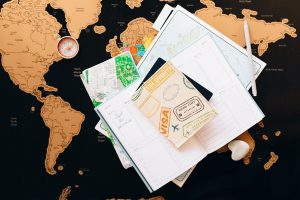 Safeguarding Physical Copies: While digital copies are convenient, keeping physical copies of essential documents is also important. Identify which documents you might need in their original form during your travels. These might include your passport, Visas, travel insurance papers, and vaccination records. Store these documents in a secure, waterproof, and fireproof container.
You should consider keeping a secondary set of copies in a separate, safe location, such as with a trusted friend or family member, in case the originals are lost or stolen.
By effectively managing your important documents, you can be prepared for any situation during your travels. Proper organization and security measures will provide peace of mind and make it easier to focus on enjoying your long-term travel experience.
5. Addressing Financial and Legal Matters
Preparing for long-term travel requires careful attention to your financial and legal affairs. Ensuring that these matters are in order will help you travel with peace of mind and avoid potential complications while on the road.
Managing Finances: First, set a realistic travel budget that covers your expected expenses, including accommodation, food, transportation, and activities. Factor in a buffer for unexpected costs. It's also wise to maintain an emergency fund for unforeseen circumstances. Consider using budgeting apps or software to track expenses and manage your finances effectively while travelling.
Next, handle your bills and subscriptions. Set up automatic payments for recurring bills to avoid missed payments while you’re away. Consider cancelling or pausing subscriptions that you won’t need during your travels. Notify your bank and credit card companies of your travel plans to prevent issues accessing your accounts abroad. Additionally, look into credit cards that offer travel benefits, such as no foreign transaction fees or travel insurance.
 Legal Considerations: Travel insurance is a must for long-term travellers. Research and purchase a comprehensive travel insurance policy that covers health care, trip cancellations, lost luggage, and other potential issues. Make sure to understand the terms and coverage limits of your policy.
Another thing to consider issider is setting up legal documents such as powers of attorney. This allows a trusted person to handle your affairs in case you’re unable to do so yourself. If you have any significant assets or ongoing legal matters, consult a legal professional to ensure everything is in order before leaving.
Addressing your financial and legal matters in advance can ensure a smoother and more secure travel experience. Proper planning will help you avoid disruptions and focus on enjoying your journey.
6. Preparing Your Home for Departure
As you get ready for long-term travel, preparing your home is an essential step to ensure everything is in order while you're away. This involves deciding whether to rent or sell your property and organizing the storage of any remaining belongings.
 Renting or Selling Your Property: First, weigh the pros and cons of renting versus selling your property. Renting can provide a steady income stream while you're travelling and allow you to return to your home later. On the other hand, selling might be a better option if you want to avoid the responsibilities of being a landlord or if you need the funds to finance your travels.
If you decide to rent, start by finding reliable tenants. Property management services can handle the process, including screening potential tenants, managing rental agreements, and handling maintenance issues. Ensure you have a clear and legally binding rental contract in place.
Knowing we would be gone for at least four years, we rented our property and put most of our furniture in long-term storage. We used a recommended property management firm, but it was a disaster. The mother had an unauthorized daycare in the basement and was not on the lease—two things the management firm should have known. On top of that, the rent was constantly late. After one year, we put the house on the market.
If you choose to sell, prepare your home for the market. This may involve minor repairs, cleaning, and staging to make it more appealing to buyers. Work with a real estate agent to set a competitive price and market your property effectively.
 Storing Remaining Belongings: Consider renting a storage unit for the belongings you choose to keep but won't take with you. Choose a climate-controlled unit to protect your items from extreme temperatures and humidity. When packing for storage, use sturdy boxes and label them clearly. Take advantage of vertical space by stacking boxes and using shelves to maximize the unit's capacity.
If you have valuable or sentimental items, pack them securely and consider purchasing additional insurance.
An inventory of all stored items should be created for easy reference and to keep track of everything. Most people don't do this, which is a shame. We always had an updated spreadsheet. Warning: We stored too much, and not only is this expensive over time, but when you return, you find you don't need most of what was in storage. We ended up selling and donating on our return. It would have been so much wiser the other way around and did a proper downsizing in the beginning.
Properly preparing your home can ensure it remains in good condition during your absence and that your belongings are stored safely. This step is crucial for giving you peace of mind and allowing you to focus on your travels.
7. Packing for Long-Term Travel
Packing for long-term travel requires careful planning to ensure you have everything you need without overburdening yourself with excess luggage. The key is to pack efficiently and prioritize essential items that will make your travels comfortable and enjoyable.
Creating a Packing List: Start by making a comprehensive packing list. Include essential clothing and gear, such as versatile clothing that can be layered, comfortable shoes, and weather-appropriate outerwear. Don't forget travel-specific items like a first aid kit, travel adapters, a lightweight backpack for day trips, and any necessary medications.
Focus on multifunctional items that serve multiple purposes, like a scarf that can double as a blanket or a jacket worn in various climates. This approach helps you minimize the number of items you need to pack.
Efficient Packing Techniques: Efficient packing techniques can help you maximize space and stay organized. Rolling your clothes instead of folding them can save space and reduce wrinkles. Use packing cubes or compression bags to organize your belongings and make it easier to find items without unpacking everything.
What’s your preferred packing method? Packing Cubes Anyone?
The weight and size of your luggage are important factors. Choose lightweight, durable bags that are easy to carry and fit within airline baggage restrictions. If packed strategically, a carry-on bag and a personal item are often sufficient for long-term travel.
Remember to keep essential items like travel documents, electronics, and a change of clothes in your carry-on bag. This ensures you can access them if your luggage is delayed or lost.
Creating a well-thought-out packing list and using efficient packing techniques ensures you have everything you need for your travels while keeping your luggage manageable. This preparation will make your journey more comfortable and enjoyable, allowing you to focus on the experiences ahead.
8. Embracing the Downsized Lifestyle
Once you have downsized your possessions and prepared for long-term travel, the final step is to embrace the downsized lifestyle. This involves adjusting to living with less and finding joy in simplicity while on the road.
Adjusting to Minimalism on the Road: Living with fewer possessions can initially be challenging, but it offers a unique opportunity to focus on experiences rather than material goods. Start by getting comfortable with the essentials you have packed. Learn to appreciate the freedom that comes with a lighter load, which allows for greater mobility and flexibility during your travels.
Staying organized is crucial; regularly review your belongings to ensure you only carry what you need and discard items that no longer serve a purpose.
Maintaining Flexibility and Adaptability: Travel often brings unexpected changes and challenges. Cultivating flexibility and adaptability is key to enjoying your journey. Embrace the spontaneity of travel by being open to new experiences and adjusting your plans as needed. This mindset will help you cope with disruptions and make the most of every situation.
Finding joy in simplicity means focusing on meaningful experiences and connections. Engage with local cultures, try new activities, and build relationships with fellow travellers and locals. These experiences will enrich your travels far more than any material possessions.