


There’s a saying we all know: you can never go home again. It gets trotted out whenever someone admits to revisiting a place they once loved, usually with a sympathetic tilt of the head, as if disappointment is inevitable and nostalgia is a rookie mistake. People apply it not just to childhood homes, but to cities, cafés, beaches, and whole chapters of travel. I’ve never fully bought into that. Or rather, I think it’s incomplete.
Yes, places change. Sometimes dramatically. Skylines bulk up, neighbourhoods smarten themselves into sameness, and crowds appear where silence once lived. But to say that returning is pointless or worse, foolish, misses something essential. The place is only half the story. The other half is who you are when you return.
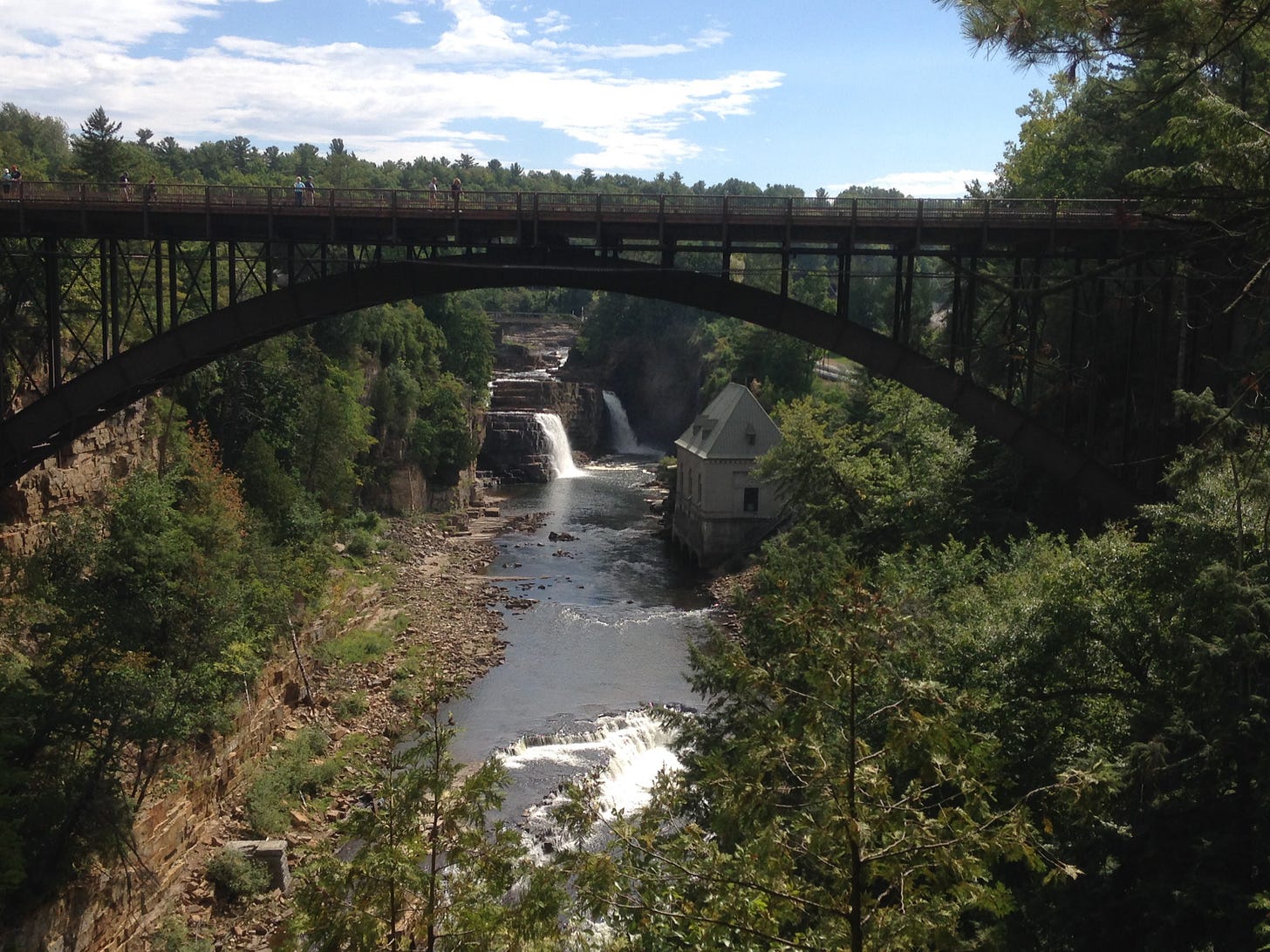
Memory Is a Moving Target
When I was little, my parents took us to Ausable Chasm in the Adirondacks of New York. I remember it clearly, not because of the ride down the gorge, but because of the feeling of scale, colour, that sense that the world was so much bigger than I. Fifty years later, I stood there again, this time with my two sons, neither of whom had ever been to the United States. Watching them experience it for the first time was quietly wonderful. Not because my original visit had somehow preserved my childhood intact (it hadn’t), but because the memory had room to stretch. It wasn’t a rewind. It was a relay.
The place didn’t need to be the same. The meaning had shifted, and that was enough.
When a Ruin Still Holds
Turkey sits comfortably in my personal top ten places to visit. Thirty years after I first saw Ephesus, I returned this time with my partner, Louise. I knew it would be different. More had been excavated, and it was terribly crowded, hotter than ever. But it was still staggering.
Ancient stones have a way of absorbing time rather than resisting it. If anything, returning made the place feel deeper, not diminished. I wasn’t chasing the person I used to be there. I was meeting the site again, better equipped to understand it.
Paris, Again — With Elbows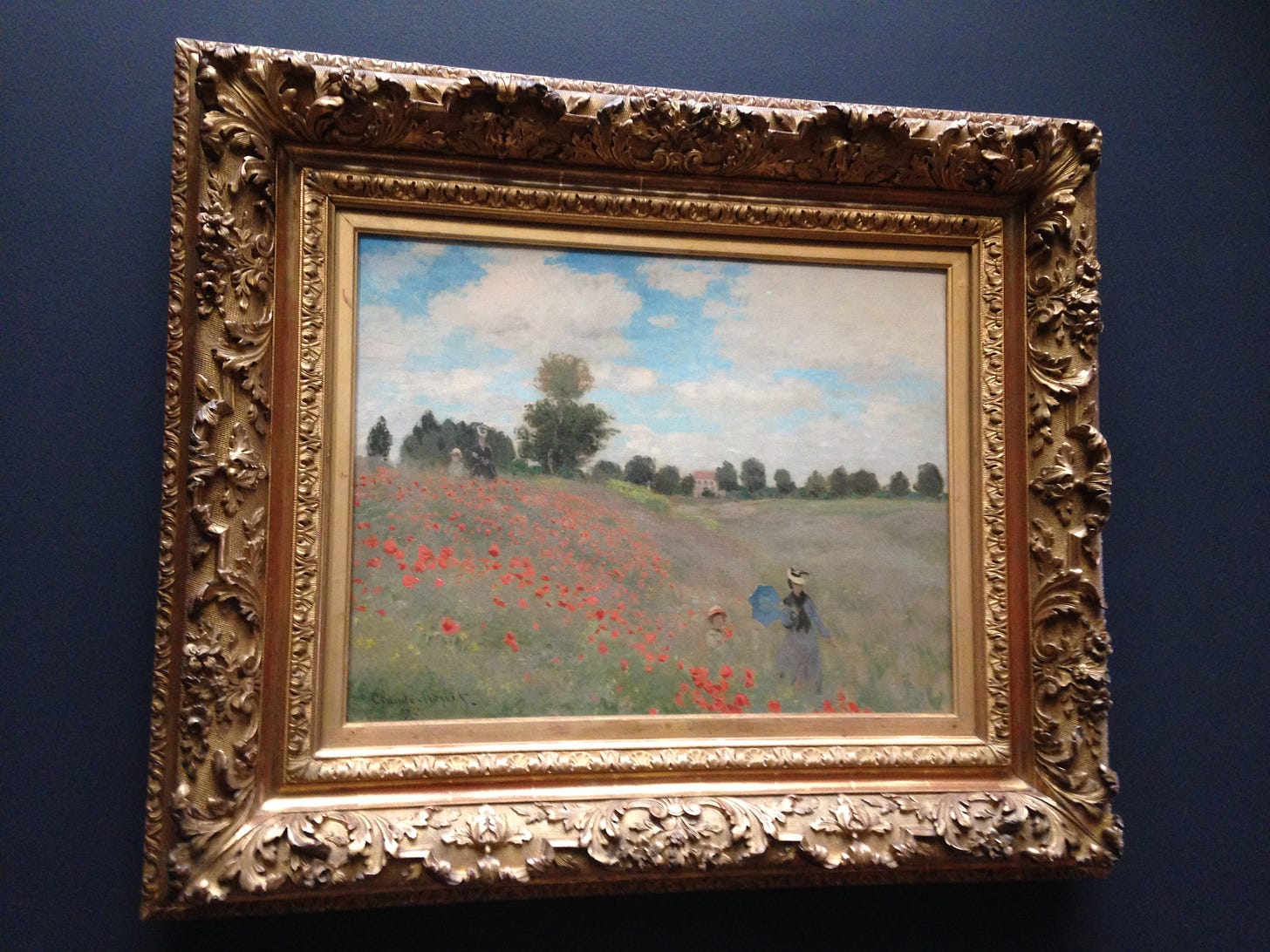
Last spring, we went back to Paris for two weeks. It had been ten years since we lived there, long enough for muscle memory to soften but not disappear. Some things were pure pleasure—walking familiar streets, slipping back into old rhythms. Other things were less romantic. The fifth floor at the Musée d’Orsay, where I always go to see the impressionists I love most, was unbelievably crowded this time. Shoulder to shoulder. Phones held aloft. A reminder that the world has discovered what we once felt quietly alone with.
And yet, standing there again, I still felt it. Not the thrill of discovery, but the steadier satisfaction of recognition. Art doesn’t owe us solitude. Cities don’t owe us preservation. They only offer what they can in the moment we meet them.
The Return Isn’t the Test
Going back isn’t about proving that nothing has changed. It’s about noticing what has and what hasn’t. It’s about understanding that travel isn’t a single-use experience, something you either get right the first time or lose forever. Returning to a place can be an act of generosity toward yourself, an acknowledgement that your life has layers, too.
You can go back. Just don’t expect the place to perform for your memory. Let it be itself. Let yourself be different. That’s where the real conversation begins.