



The tourism industry faces a critical challenge: balancing the allure of popular destinations with the need for sustainability. Fodor’s “No List 2025” highlights destinations struggling under the weight of over tourism, environmental degradation, and cultural erosion. While these places remain breathtaking, their challenges call for thoughtful travel practices.
Travel in 2025 offers incredible opportunities for exploration and connection, but it also demands responsibility. Destinations like Bali, Kyoto, and Mount Everest remind us of the delicate balance between tourism and sustainability. By making informed choices, travellers can help preserve the beauty and culture of these places for future generations.
Over the years, I have had the good fortune of visiting all of the cities listed below that are currently trying to cope with too many tourists. Even years ago, the amount of visitors was excessive, and we make sure to travel off season. I loved our short time in India and would love to go back. Even without tourists, it is terribly over crowded.
I am concerned about the increase in popularity of safaris and worry that this too is becoming over visited. It is one of the last places on my bucket list so we have arrange a tour later this year. I researched to make sure it is eco responsible.
You, too, can contribute to alleviating over tourism by visiting these destinations during off-peak seasons, exploring lesser-known attractions, and supporting local businesses that promote sustainable tourism practices.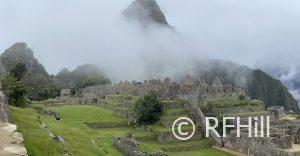
All of us have seen the recent reaction in Barcelona where locals are spraying water at tourists.
Over-tourism occurs when a destination experiences excessive tourist traffic, leading to environmental degradation, strained infrastructure, and diminished quality of life for residents. Several cities worldwide are grappling with this issue according to Holidu:
| City | Tourists per Inhabitant | Challenges Faced |
|---|---|---|
| Dubrovnik, Croatia | 27 | Overcrowding in the historic Old Town, environmental strain, and potential damage to UNESCO World Heritage sites. |
| Rhodes, Greece | 26 | Overwhelmed infrastructure, environmental concerns, and pressure on local resources. |
| Venice, Italy | 21 | Congested canals, damage to historic buildings, and a declining local population due to tourism pressures. |
| Heraklion, Greece | 18 | Strain on local amenities, environmental degradation, and challenges in maintaining cultural heritage. |
| Reykjavik, Iceland | 12 | Environmental impact on natural landscapes, increased cost of living for residents, and infrastructure challenges. |
| Amsterdam, Netherlands | 12 | Overcrowded city centre, housing shortages, and disruptions to local life. |
| Lisbon, Portugal | 11 | Rising housing costs, displacement of locals, and strain on public services. |
| Porto, Portugal | 10 | Overcrowding in historic areas, increased living costs, and pressure on local infrastructure. |
| Dublin, Ireland | 9 | Housing shortages, increased cost of living, and strain on public services. |
These cities are implementing measures to manage tourist numbers and mitigate the adverse effects of over tourism. For instance, Venice amongst others has introduced a daily tourist tax to control visitor numbers.
Similarly, Amsterdam has implemented a daily tourist tax and launched campaigns to discourage disruptive behaviour among visitors. This year, New York City has introduced a congestion pricing program is a toll that drivers pay to enter certain parts of Manhattan.
How to Use These Charts
- Travellers: Use the Cities chart to plan urban trips and the Location Areas chart for natural or regional destinations. Be mindful of tourist taxes and their purpose in supporting sustainability.
- Governments and Planners: Use these insights to implement or adjust tourist taxes and develop strategies to mitigate over tourism and environmental strain.


Chart 1: Cities
| City | Pros | Cons | Tourist Taxes Imposed |
|---|---|---|---|
| Barcelona, Spain | – Rich history and architecture
– Vibrant cultural scene |
– Housing crisis due to short-term rentals
– Protests from locals against over tourism |
€4-5 per night for tourists staying in hotels or short-term rentals. |
| Venice, Italy | – Iconic canals and historic architecture<
– Unique cultural heritage |
– Overcrowding from cruise ships
– Environmental damage to canals and lagoon ecosystem |
€5-10 “day-tripper tax” starting in 2025 for visitors not staying overnight. |
| Lisbon, Portugal | – Picturesque streets and vibrant nightlife
– Affordable compared to other European capitals |
– Housing crisis due to short-term rentals
– Loss of local population and cultural identity |
€2 per night tourist tax for overnight stays. |
| Rome, Italy | – World-famous landmarks like the Colosseum and Vatican City
– Rich history and art |
– Overcrowding at major attractions
– Strain on infrastructure and rising costs for locals |
€3-7 per night depending on accommodation type. |
| Kyoto, Japan | – Historic temples and cultural landmarks
– Unique local traditions |
– Overcrowding at major sites
– Rising costs and “tourism pollution” |
¥200-1,000 per night accommodation tax depending on the price of the stay. |
| Amsterdam, Netherlands | – Picturesque canals and vibrant cultural scene
– Progressive tourism policies |
– Overcrowding in city centre
– Stricter regulations on short-term rentals and cruise ships |
€3 per person per night + 7% of the accommodation cost. |
| Dubrovnik, Croatia | – Stunning medieval architecture
– UNESCO World Heritage Site |
– Overcrowding from cruise ships
– Strain on local infrastructure and rising housing costs |
€1-3 per night depending on accommodation type. |
| Rhodes, Greece | – Ancient ruins and beautiful beaches
– Rich cultural history |
– Overcrowding during peak season
Strain on water resources and local infrastructure |
€1.50-4 per night depending on accommodation type. |
| Oaxaca, Mexico | – Vibrant festivals and Indigenous culture
– Renowned for mezcal and cuisine |
– Gentrification and displacement of locals
– Water shortages and environmental strain |
No specific tourist tax, but local protests call for stricter regulations on tourism. |
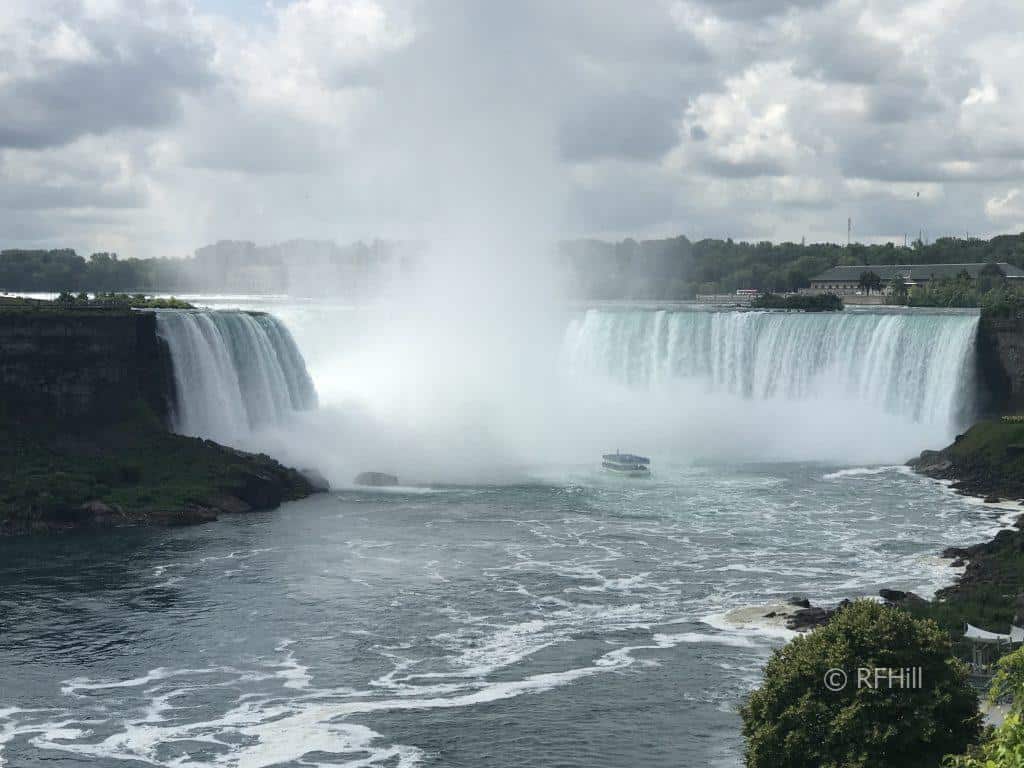
Chart 2: Location Areas
| Location Area | Pros | Cons | Tourist Taxes Imposed |
|---|---|---|---|
| Cinque Terre, Italy | – Stunning coastal villages and hiking trails
– UNESCO World Heritage Site |
– Overcrowding on trails and in villages
– Strain on local infrastructure |
€7.50 daily fee for visitors entering the Cinque Terre National Park. |
| Iguazu Falls, Argentina/Brazil | – Breathtaking natural wonder
– UNESCO World Heritage Site – Supports eco-tourism |
– Overcrowding during peak season
– Environmental strain from mass tourism |
$25-30 entrance fee for Iguazu National Park (varies by country and visitor nationality). |
| Machu Picchu, Peru | – Iconic archaeological site
– Rich Inca history and culture |
– Overcrowding and erosion of trails
– Strain on local water and waste systems |
$50-60 entrance fee (varies by ticket type and time slot). |
| Bali, Indonesia | – Stunning beaches and cultural heritage
– Thriving tourism economy |
– Severe plastic pollution (“plastic apocalypse”)
– Overcrowded beaches and infrastructure strain |
Proposed: Bali plans to introduce a $10 “tourist tax” in 2025 to fund environmental initiatives. |
| Koh Samui, Thailand | – Luxury resorts and natural beauty
– Popular tourist destination |
– Waste management crisis (200,000 tons of trash)
– Unregulated development harming ecosystems |
No specific tourist tax, but environmental fees may be introduced in the future. |
| Mount Everest, Nepal | – Iconic adventure destination
– Economic benefits for local Sherpas |
– Overcrowding and trash on trails
– Environmental degradation and cultural dilution |
$50 per person for a trekking permit in Sagarmatha National Park. |
| Scotland’s NC500 | – Scenic road trip with stunning landscapes
– Boost to local economy |
– Overcrowded roads and lack of facilities
– Environmental damage from “wild camping” |
No specific tourist tax, but parking fees and campsite charges are being considered. |
| Kerala, India | – Scenic backwaters and eco-tourism potential
– Rich cultural heritage |
– Landslides and flooding due to overdevelopment
– Pollution in Vembanad Lake from houseboats |
No specific tourist tax, but eco-tourism fees may apply in certain areas. |
| British Virgin Islands | – Pristine beaches and marine life
– Economic boost from cruise tourism |
– Cruise tourists spend less locally
– Coral reef damage and lack of sustainable tourism planning |
$10 environmental levy per visitor to fund conservation efforts. |