


I hate the term “frailty.” However, aging and other factors will weaken us and add new challenges to travel.
Understanding Frailty
Definition and Symptoms Frailty is a medical condition characterized by a decline in physical and sometimes cognitive reserves, making seniors more vulnerable to adverse health outcomes. Symptoms often include unintentional weight loss, weakness, exhaustion, slow walking speed, and low physical activity. Understanding these symptoms is crucial for identifying frailty and taking proactive measures.
Causes of Frailty
A combination of aging, chronic diseases, and a sedentary lifestyle often causes frailty. Poor nutrition, inflammation, and hormonal changes can also contribute. Recognizing the underlying causes can help develop strategies to mitigate their impact on travel.
Overcoming Frailty When Travelling
Pre-Travel Preparation
- Medical Check-Up: Seniors should have a thorough medical check-up before embarking on a trip. This helps assess their fitness for travel and address any health concerns.
- Medication Management: Ensure that all necessary medications are packed in sufficient quantities, along with a copy of the prescriptions. This is particularly important in case of emergencies or delays.
- Travel Insurance: Comprehensive travel insurance that covers medical emergencies is essential. This provides peace of mind and financial protection in case of health issues abroad.
- Physical Conditioning: Engaging in a tailored exercise program to build strength and endurance can make a significant difference. Activities such as walking, swimming, and light strength training are beneficial.
During Travel
- Choosing Destinations: Opt for senior-friendly destinations with good healthcare facilities, smooth terrain, and easy accessibility. Avoid places with extreme climates or high altitudes that may exacerbate health issues.
- Pacing and Rest: Plan itineraries that include ample rest periods. Avoid overly ambitious schedules that can lead to fatigue. Listen to one's body and take breaks as needed.
- Nutrition and Hydration: Maintaining a healthy diet and staying hydrated are crucial. Carrying snacks and a water bottle can help avoid dehydration and maintain energy levels.
- Mobility Aids: Using mobility aids such as walking sticks, wheelchairs, or scooters can help manage physical limitations. It's advisable to inform airlines and accommodation providers about any special needs.
 Accommodation and Transport
- Accessible Accommodation: Choose hotels or accommodations that offer accessible rooms with features like grab bars, walk-in showers, and elevators. This ensures comfort and safety during the stay.
- Comfortable Transport: Opt for transport options that offer comfort and convenience. This includes booking seats with extra legroom, using direct flights to minimize layovers, and arranging airport assistance if needed.
Psychological and Emotional Considerations
Maintaining Mental Well-being
- Staying Connected: Keeping in touch with family and friends through calls or video chats can help you feel connected and supported. Travelling with a companion for both company and assistance is also beneficial.
- Mindfulness and Relaxation: Mindfulness, meditation, or deep breathing exercises can reduce travel-related stress. Engaging in activities that bring joy and relaxation, such as reading or gentle walks, is also essential.
Adapting to Challenges
- Flexibility: Being flexible and open to change is vital. Unexpected situations may arise, and having a positive and adaptive mindset can make the journey more enjoyable.
- Seeking Help: Don't hesitate to ask for help when needed, whether it's assistance with luggage, directions, or medical support. Most people are willing to help someone in need.
How Technology Can Aid Seniors in Overcoming Travel Challenges
Health Monitoring and Management
- Wearable Devices: Wearable devices like fitness trackers and smartwatches can monitor vital signs such as heart rate, blood pressure, and activity levels. These devices can alert seniors to potential health issues before they become serious, ensuring timely intervention.
- Medication Reminders: Apps and devices that help medication reminders seniors stay on top of their medication schedules. This ensures they do not miss doses, which is crucial for managing chronic conditions.
 Navigation and Accessibility
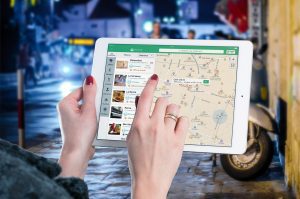
- GPS and Navigation Apps: Apps like Google Maps and Waze offer real-time navigation assistance, making it easier for seniors to navigate unfamiliar places. Features such as voice-guided directions and accessible route planning enhance their independence.
- Accessibility Apps: Apps like Wheelmap and AccessNow provide information on accessible locations, including restaurants, hotels, and tourist attractions. This helps seniors plan their itineraries with accessibility in mind.
Communication and Safety
- Emergency Contact Apps: Apps like ICE (In Case of Emergency) allow seniors to store critical medical information and emergency contacts. In an emergency, first responders can access this information quickly.
- Translation Apps: Apps like Google Translate can help bridge language barriers, making it easier for seniors to communicate with locals and seek help.
Travel Planning and Management
 Travel Booking Apps: Apps like Airbnb, Booking.com, and TripAdvisor simplify finding and booking accessible accommodations. They also provide reviews from other travellers, which can help make informed decisions.
- Itinerary Management Apps: Apps like TripIt and Roadtrippers help seniors organize their travel plans in one place. They can store flight details, hotel reservations, and sightseeing plans, ensuring nothing is forgotten.
 Travel Booking Apps: Apps like Airbnb, Booking.com, and TripAdvisor simplify finding and booking accessible accommodations. They also provide reviews from other travellers, which can help make informed decisions.
Entertainment and Engagement
- Reading and Audiobook Apps: Apps like Kindle and Audible provide a vast library of books and audiobooks. These can be great companions during travel, providing entertainment and mental stimulation.
- Virtual Tour Apps: For seniors who may find physical tours challenging, they offer a way to explore attractions from the comfort of their accommodation. Apps like Google Arts & Culture and virtual museum tours can provide enriching experiences.
Telemedicine
- Telehealth Services: Telemedicine apps like Teladoc and Doctor on Demand allow seniors to consult with healthcare professionals remotely. This can be particularly useful for addressing minor health concerns without visiting a local clinic.
Financial Management
- Budgeting Apps: Apps like Mint and YNAB (You Need A Budget) help seniors manage travel expenses. They can track spending, set budgets, and maintain their finances during the trip.