


Insect-borne diseases pose significant health risks to travellers and residents in many parts of the world. These diseases are transmitted by insects such as mosquitoes, ticks, and flies, which act as vectors carrying pathogens like viruses, bacteria, and parasites. Understanding the most common insect-borne diseases, their symptoms, prevention strategies, and treatments is essential for anyone travelling to or living in affected regions.
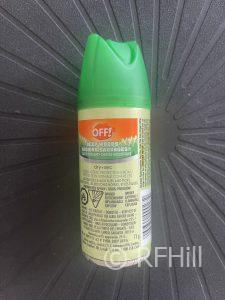
Here is the truth: while I worry about insect-borne diseases, we do the three most effective ways to avoid these diseases.
1. We ensure we have the recommended vaccinations for the places we are visiting. This sometimes means getting a shot that is not compulsory but a good idea.
2. We also wear long sleeves and pants in rural areas.
3. In addition, I ensure the most potent DEET repellant possible. We purchased 40% in Australia, where you can only get 30% elsewhere. Products with up to 30 percent DEET will provide adequate protection under most conditions and higher concentrations are viewed as possibly dangerous. Considering some of the places we visited in the forests of South America and Asia, we wanted to be on the safe side.
DEET (chemical name, N, N-diethyl-meta-toluamide) is the active ingredient in many repellent products. It is widely used to repel biting pests such as mosquitoes and ticks. I know DEET may not be eco-sensitive or best for the environment, but I have finally identified a good replacement option. Another popular repellent, picaridin, is now regarded as a better alternative; while I haven't tried it, I will be switching over.
Common Insect-Borne Diseases
 1. Lyme Disease
-
- Cause: Caused by Borrelia burgdorferi bacteria transmitted by Ixodes ticks.
- Regions: North America, Europe, and parts of Asia.
- Symptoms: Early symptoms include fever, headache, fatigue, and a characteristic skin rash called erythema migrans. It can affect the heart, joints, and nervous system if untreated.
- Prevention: Use tick repellents, wear long sleeves and pants, perform tick checks after outdoor activities, and promptly remove ticks.
2. Malaria
-
- Cause: Caused by Plasmodium parasites transmitted through the bite of infected Anopheles mosquitoes.
- Regions: Sub-Saharan Africa, parts of Asia, and Latin America.
- Symptoms: Fever, chills, headache, muscle aches, and fatigue. Severe cases can lead to organ failure and death.
- Prevention: Use insect repellent, sleep under mosquito nets, and take prophylactic antimalarial medications
 3. Dengue Fever
 3. Dengue Fever
-
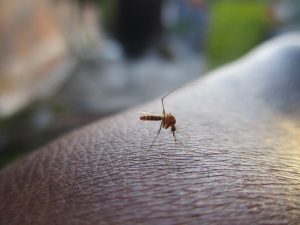
- Cause: Caused by the dengue virus transmitted by Aedes mosquitoes.
- Regions: Tropical and subtropical regions worldwide, including Southeast Asia, the Caribbean, and Central and South America.
- Symptoms: High fever, severe headache, pain behind the eyes, joint and muscle pain, rash, and bleeding from the gums.
- Prevention: Use insect repellent, wear long sleeves and pants, and eliminate standing water where mosquitoes breed.
4. Zika Virus
-
- Cause: Caused by the Zika virus transmitted by Aedes mosquitoes.
- Regions: Tropical and subtropical regions, including parts of Africa, Asia, the Americas, and the Pacific.
- Symptoms: Mild fever, rash, conjunctivitis, muscle and joint pain, headache. Severe cases can lead to congenital disabilities if contracted during pregnancy.
- Prevention: Use insect repellent, wear protective clothing, and avoid mosquito areas, especially during pregnancy.
5. Chikungunya
-
- Cause: Caused by the chikungunya virus transmitted by Aedes mosquitoes.
- Regions: Africa, Asia, Europe, and the Indian and Pacific Oceans.
- Symptoms: Sudden high fever, joint pain, muscle pain, headache, nausea, fatigue, and rash.
- Prevention: Use insect repellent, wear protective clothing, and avoid mosquito areas of higher concentration.
6. West Nile Virus
-
- Cause: Caused by the West Nile virus transmitted by Culex mosquitoes.
- Regions: Africa, Europe, the Middle East, North America, and West Asia.
- Symptoms: Most infected people show no symptoms. Some may develop fever, headache, body aches, joint pains, vomiting, diarrhea, or rash. Severe cases can cause neurological issues.
- Prevention: Use insect repellent, wear long sleeves and pants, and avoid mosquito areas.
Prevention Strategies
Preventing insect-borne diseases requires a multifaceted approach.
1. Personal Protective Measures
-
- Use Insect Repellent: Apply repellents containing DEET, picaridin, or lemon eucalyptus oil to exposed skin and clothing.
- Wear Protective Clothing: Long-sleeved shirts, long pants, socks, and hats provide a physical barrier against insect bites.
- Sleep Under Mosquito Nets: In regions where mosquitoes are active at night, use insecticide-treated bed nets.
2. Environmental Control
-
- Eliminate Breeding Sites: Remove standing water around homes and accommodations to reduce mosquito breeding.
- Use Insecticides: Spray insecticides in and around living areas to kill adult mosquitoes and other insects.
3. Prophylactic Medications and Vaccinations
-
- Antimalarial Drugs: Take prophylactic medications when traveling to malaria-endemic areas.
- Vaccinations: Vaccinate for diseases like yellow fever if travelling to high-risk regions.
Treatment Options
If infected, early diagnosis and treatment are crucial.
- Seek immediate medical care if you develop symptoms consistent with insect-borne diseases.
- Some diseases, like Lyme disease, are treated with antibiotics, while others, like dengue and Zika, have no specific antiviral treatments but require supportive care.
- Use pain relievers, rehydration solutions, and other supportive treatments to manage symptoms.
Final Thoughts
Insect-borne diseases are a significant global health concern, especially for travellers and residents in affected regions. By understanding the risks, employing effective prevention strategies, and seeking timely medical care, individuals can protect themselves and reduce the impact of these diseases. Staying informed and prepared is vital to enjoying safe and healthy travel experiences.