


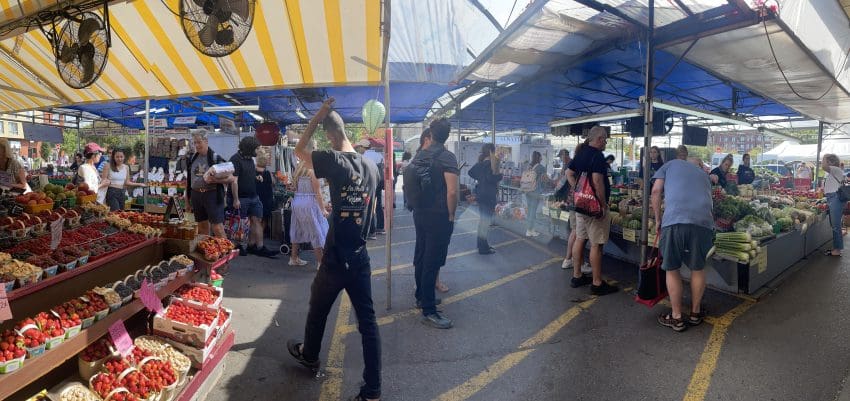
There’s something about a local market. Maybe because it is not about the glossy, edited version you find in guidebooks, but the raw, messy, unfiltered truth.
When you travel, a market isn’t just a place to shop. It’s where the heartbeat of a place is. You hear the local language, smell the spices and street food that make up the memory of a destination, and see what’s actually in season.
It’s the details that hook you: the way a bag of saffron glows in the Moroccan sun, how a baker in Paris casually dusts a baguette with flour like it’s no big deal, or how a cheese seller in Montreal will insist you taste three kinds before you’re “should” pick one. You get these micro-moments of connection—eye contact, a shared laugh, a little nod of mutual respect.
Markets force you to slow down. You can’t rush through a maze of stalls when there’s a woman frying samosas right in front of you or when the smell of grilled lamb skewers makes your stomach roar louder than the vendor’s sales pitch. They’re grounded in the best possible way.
And yes, if you are like me, you’ll probably come away with something tangible—maybe a bag of spices you’ll never cook with but makes a great gift, a handwoven scarf, or a questionable jar of pickled…something.
But more than that, you leave with memories. I remember the taste of that just-fried empanada eaten on a cracked plastic stool, or how a stranger helped us bargain for a basket in a language we didn’t speak. Those are the souvenirs that stick.
Bottom line
Visiting a market is the closest thing to being folded into the everyday life of a place. You see people living, buying, eating, and gossiping. It’s messy, loud, and wonderful, and it reminds you that travel isn’t about checking boxes. For me, it is good old plain FUN!
BTW, if you are uncomfortable navigating these markets on your own, consider taking a local tour.
Famous Local Markets I Have Enjoyed
Here's a table of iconic markets across the globe, from spice-scented alleyways to gourmet-happy food halls. Each one offers a rich, delicious slice of local life:
| City | Market Name | Why It’s Famous |
|---|---|---|
| Paris | Marché Bastille | Large open-air market with produce, cheeses, flowers, and local chatter. Lots of fun to visit. |
| Marché des Enfants Rouges | The oldest covered market in Paris, offering a global selection of street food & old-world charm. Beware, as they often spot tourists and may take advantage of them. | |
| Montreal | Jean-Talon Market | One of North America’s largest local produce, Québécois specialties, and maple everything. Not quite what it used to be in my opinion, but still worth visits. |
| Atwater Market | Butcher heaven + gourmet cheese, wine, and riverside picnic on the canal. This is a regular stop for us, whether driving or taking our bikes. | |
| Marrakech | Jemaa el-Fnaa + Souks | Maze of stalls selling spices, lanterns, rugs; part market, part magic show. Totally. Easy to get lost, and a GPS won't help, |
| Souk Semmarine | Narrow, fragrant, vibrant, chaotic—a true Moroccan sensory overload | |
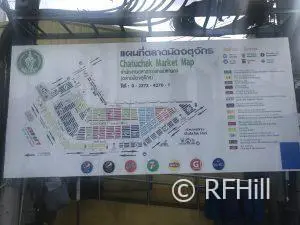
| Bangkok | Chatuchak Weekend Market | Overwhelmingly amazing. 15,000+ stalls: clothing, art, food, even plants and pets—a universe. Impossible to do it all, but worth trying. |
| Or Tor Kor Market | Gourmet version of a Thai market; pristine produce, curry pastes, durians galore. Across the street from Chatuchak Weekend Market | |
| Istanbul | Grand Bazaar | Labyrinthine and legendary; gold, carpets, leather, tea sets—and yes, bargaining |
| Spice Bazaar (Misir Çarşısı) | Ottoman-era spices, sweets, and that rose-laced Turkish delight. In the same area as the Grand Bazaar | |
| Barcelona | La Boqueria | Tapas bars nestled between technicolour fruit stalls and hanging jamón. Across the street from the Barcelona Erotic Museum on La Rambla |
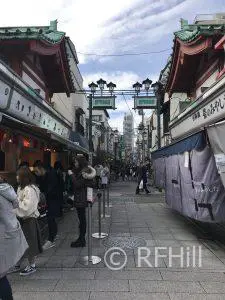
| Tokyo | Ameya-Yokochō | Post-war roots, retro vibe; snacks, cosmetics, and random Japanese wonders. A must-visit if in the city. |
| Lisbon | Mercado da Ribeira (Time Out Market) | 40+ food stalls from Portugal’s best chefs in one stylish food court |
| London | Borough Market | Artisanal food heaven: truffle oil, raclette, scotch eggs, and craft cider. It has been too many years for me to comment on it today. |
Exploring a local market can often be overwhelming and tiring. Here's how to immerse yourself with curiosity, charm, and a good dose of common sense.
Before You Go
Check the hours. Markets open early and close early. They also may not be open on certain days.
Brush Up on Local Etiquette
| Country | Do's | Don'ts |
|---|---|---|
| Morocco | Bargain with a smile | Take photos without asking |
| Japan | Admire silently | Haggle (it isn’t polite) |
| Mexico | Try before you buy | Assume prices are fixed |
Bring These Essentials
|
 |
At the Market
Go Hungry, But Not Hangry
Start with something small—a pastry, a piece of fruit, a coconut hacked open by a machete-wielding auntie who runs the show. Walk, nibble, repeat.
Engage With Vendors (Gently)
Ask questions. Compliment the produce. Smile like you're being invited into someone’s pantry, because you are. Some gems:
-
“What’s this used for?”
-
“Is this in season?”
-
“Do you eat this at home?”
Watch What Locals Buy
Where the grandmothers go, flavour follows.
Capture With Consent
Markets are photogenic chaos. But always ask before snapping. A nod and lifted camera go a long way—and sometimes spark a story.
What to Look For
| Category | What to Look For |
|---|---|
| Fresh Produce | Unique, in-season fruit or herbs; ask about how it’s used |
| Local Snacks | Anything wrapped in newspaper, banana leaf, or mystery |
| Spices & Condiments | Small jars or packets that survive the journey home |
| Handmade Crafts | Items not mass-produced (bonus: vendor can tell you about the maker) |
| Street Food | Long lines, one dish focus, simple setup = gold |
| Regional Quirks | Fermented things, weirdly colored sweets, ancestral grains, etc. |
Smart Moves
-
Avoid tourist trinkets sold in bulk (unless ironic souvenirs are your thing)
-
Don’t buy ivory, endangered shells, or other ethically questionable items
-
Beware of “you try, you buy” stalls unless you want five pounds of unidentifiable candy
-
Ask about how something’s made—it shows respect and often reveals better options
Ways to Elevate the Experience
| Action | Why It Matters |
|---|---|
| Take a local market tour | Adds historical + culinary context |
| Cook a meal with your finds | Makes the market story edible |
| Write a haiku about your visit | Preserves the experience beyond a selfie |
| Send a photo postcard of the market home | Keeps the moment alive (and makes you seem effortlessly cultured) |