

If you’ve ever wanted to see evolution in action, the Galápagos is the place. We arrived at the end of our South American trip in the spring of 2024, carrying all the usual expectations and a healthy dose of curiosity. Still, nothing prepares you for how these islands quietly shift your perspective. The Galápagos isn’t just another stop on the map—it’s a reminder of how unpredictable and remarkable the natural world can be.
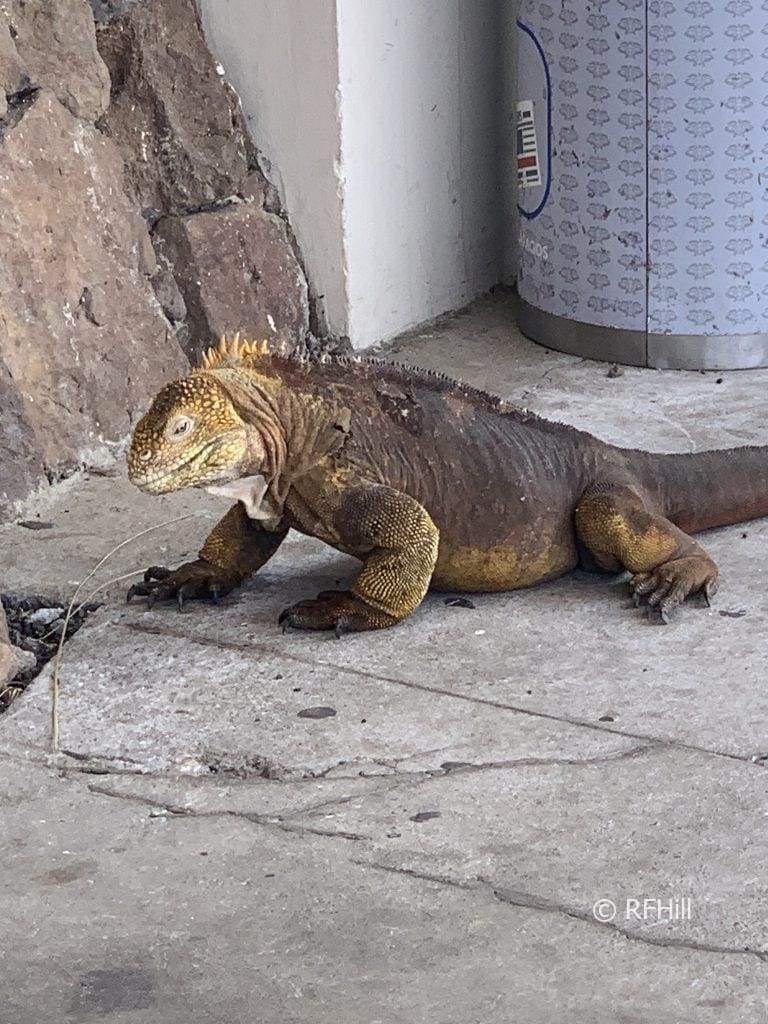
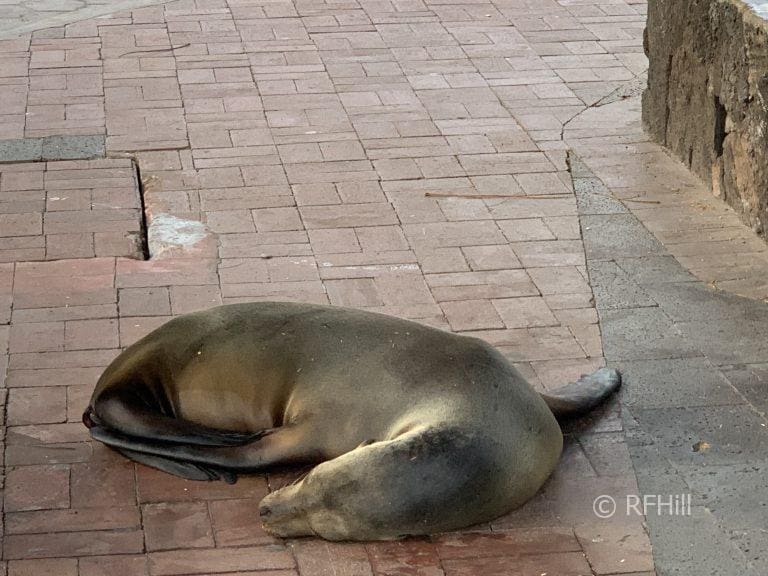
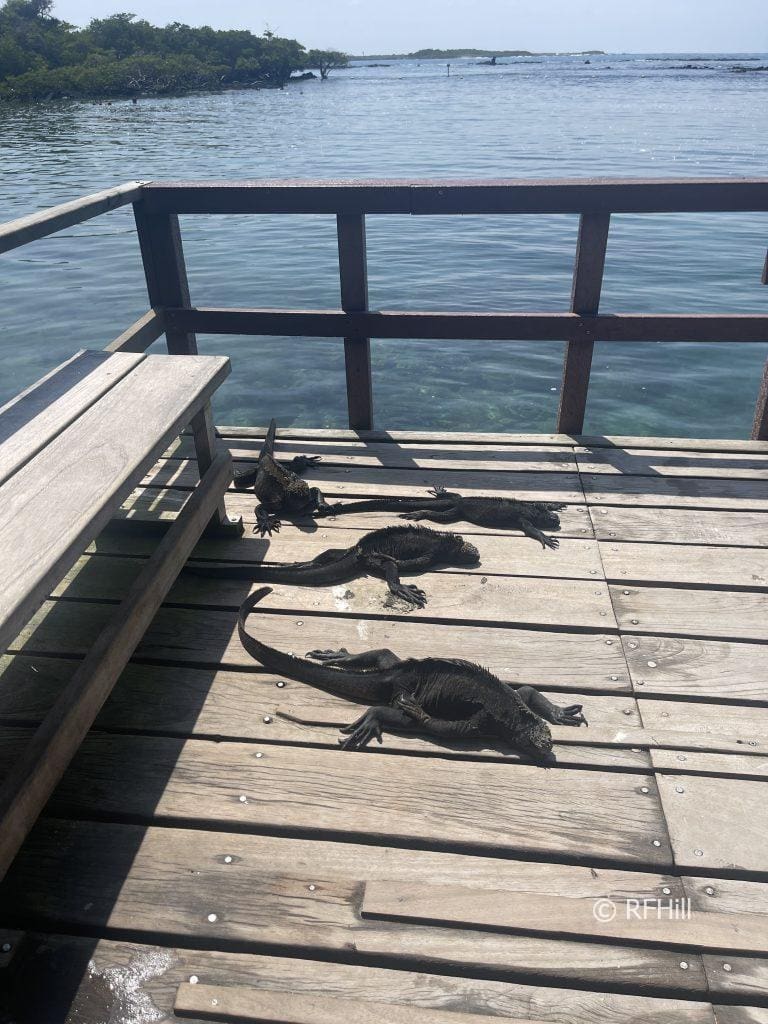
The first thing that struck me was how unbothered the wildlife seemed by our presence. Sea lions lounged on the sand like they owned the place (and, frankly, they do), occasionally flopping into the surf to twirl around me with the kind of effortless grace I can only aspire to. Marine iguanas, those prehistoric little dragons, munched on algae with a patience that felt ancient, as if they’d seen it all before and weren’t about to hurry for anyone.
The Birds: Evolution’s Masterpieces
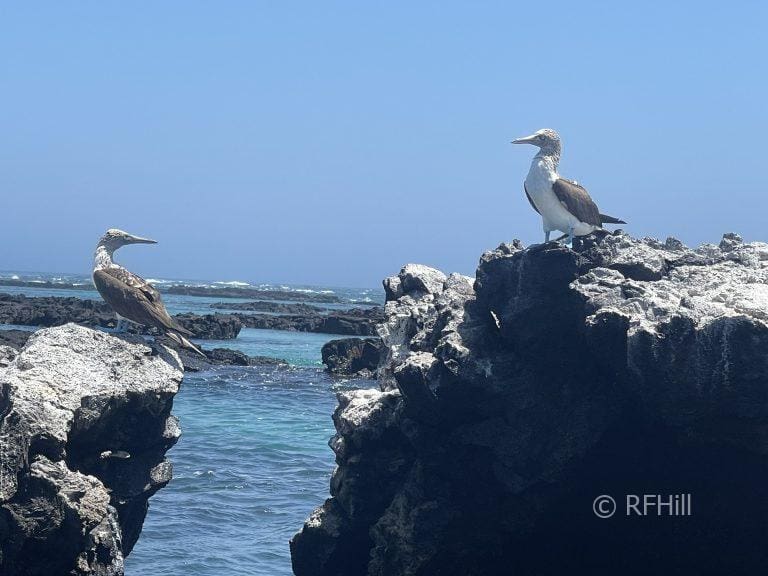
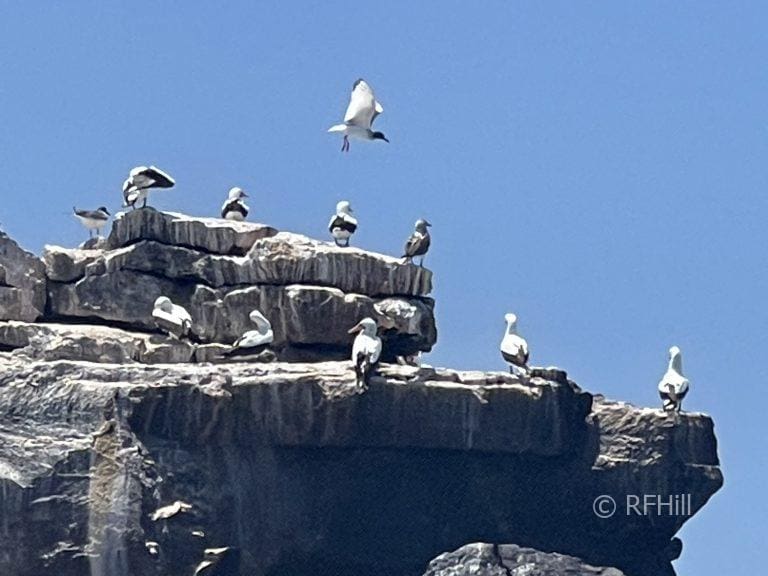
But if the Galápagos is a stage, the birds are its most eccentric cast. I’d read about Darwin’s finches, but seeing them hop from branch to branch, each with their peculiar beak, was like watching evolution in real time. The blue-footed boobies, with their comically bright feet, performed their courtship dance with a seriousness that bordered on the absurd. I found myself rooting for them, as if I were at a particularly earnest high school talent show.
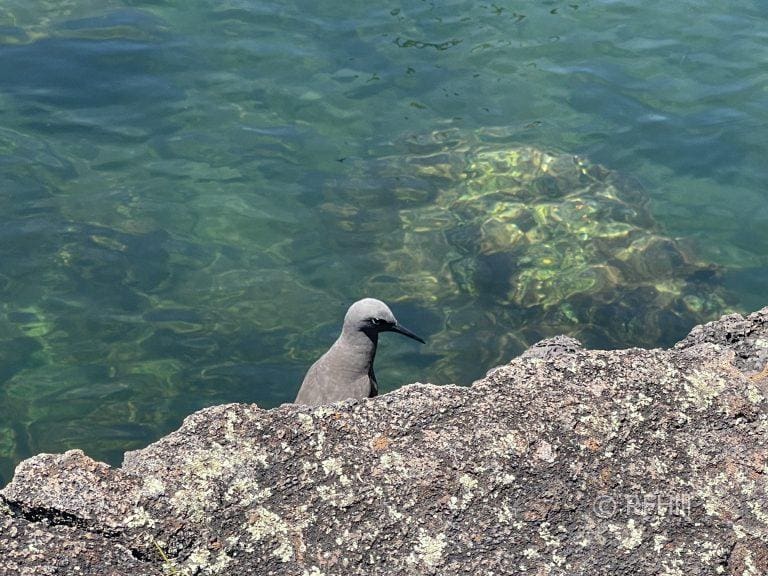
Frigatebirds soared overhead, while the males puffed out their scarlet throat pouches. Something is humbling about being in the presence of creatures with no interest in you, who are simply getting on with the business of being alive. The birds here aren’t just background—they’re the living, breathing evidence of how life adapts, survives, and sometimes flourishes in the oddest corners of the world.
Giants of the Galápagos: A Tortoise Encounter
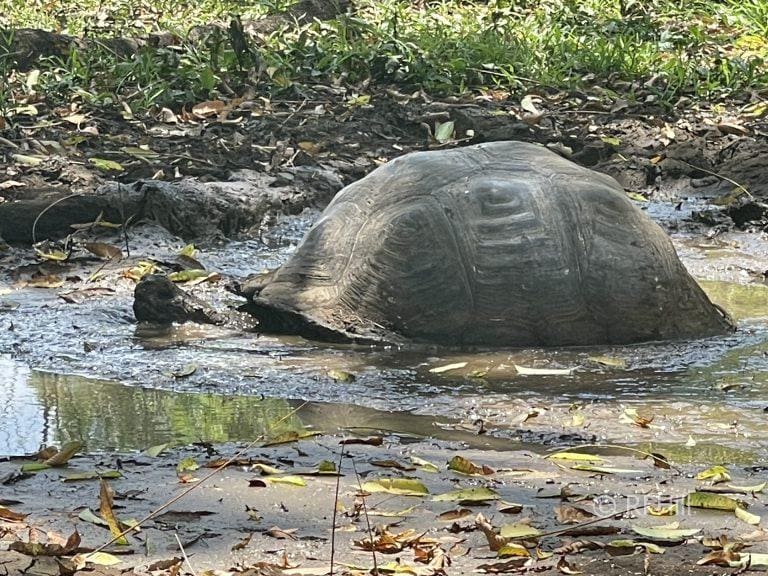
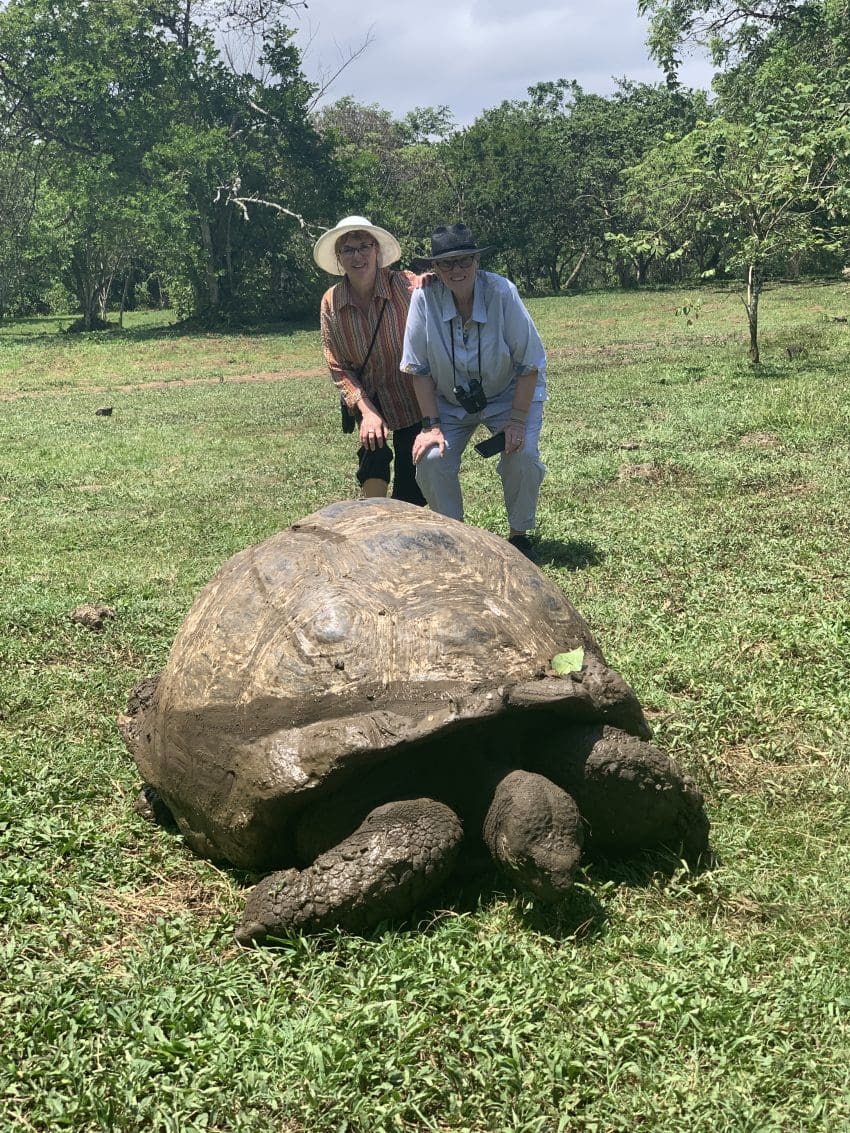
And then, of course, there are the tortoises—the faithful elders of these islands. Meeting a Galápagos giant tortoise for the first time is like stumbling into a living relic from another era. Their slow, deliberate movements and ancient, weathered faces seem to hold the memory of centuries. I watched one lumber through the highland grass, unhurried and utterly indifferent to my presence, and felt reverence settle over me. Something is grounding about being in the company of a creature that measures its life in decades, not days. If you go, don’t miss the chance to visit one of the breeding centers or reserves; seeing these gentle giants up close is a quiet reminder of the patience and resilience woven into the fabric of the Galápagos.
Lessons from the Water
Snorkelling in the Galápagos isn’t about chasing after the next big thing. It’s about surrendering to the moment, letting the current carry you past volcanic rocks and into a world where evolution is fully displayed. I remember floating above a school of golden rays, their wings undulating in perfect harmony, and feeling a quiet awe settle over me. It’s the place that makes you want to whisper, even underwater.
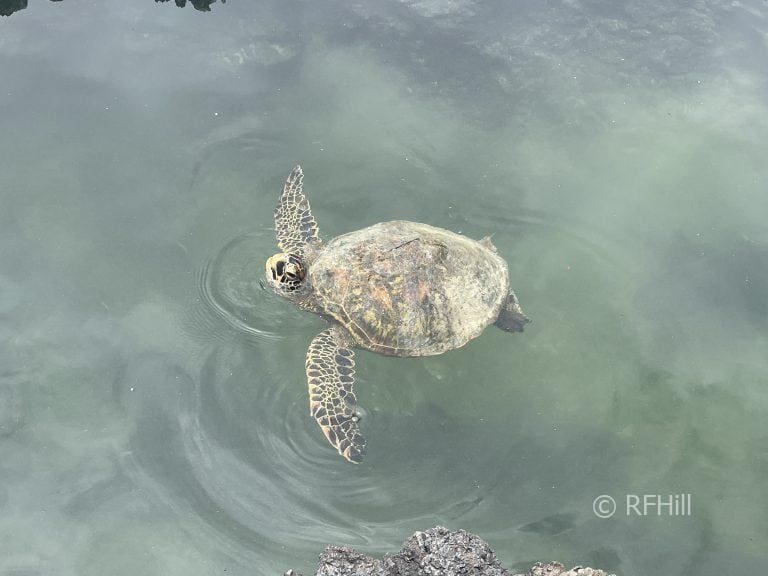
The Galápagos helped me slow down, to watch, to listen, and to let the ocean set the pace. I learned that the best encounters happen when you’re patient, when you let the sea lions come to you, and when you hover quietly and let the turtles glide by.
I also learned the importance of stewardship. The guides and locals speak about conservation not as a buzzword but as a way of life. The rules are strict—no touching, feeding, or souvenirs except memories and maybe a few blurry underwater photos. It’s a reminder that these islands are a privilege, not a right.
Practical Reflections
If you’re thinking of making the “pilgrimage: yourself, here’s what I wish I’d known: the water can be brisk, so bring a wetsuit if you run cold. The currents can be strong, but the guides are attentive and safety-conscious. And don’t worry about missing the “big” moments—sometimes, the quietest encounters are the ones that linger.
Accommodations range from simple guesthouses to comfortable cruise ships, but the absolute luxury is in the water. Tours can be pricey, but every penny feels like an investment in wonder. And if you’re lucky enough to swim with a sea lion or lock eyes with a turtle, take a moment to float and be grateful. These memories will keep you company long after you’ve left the islands behind.
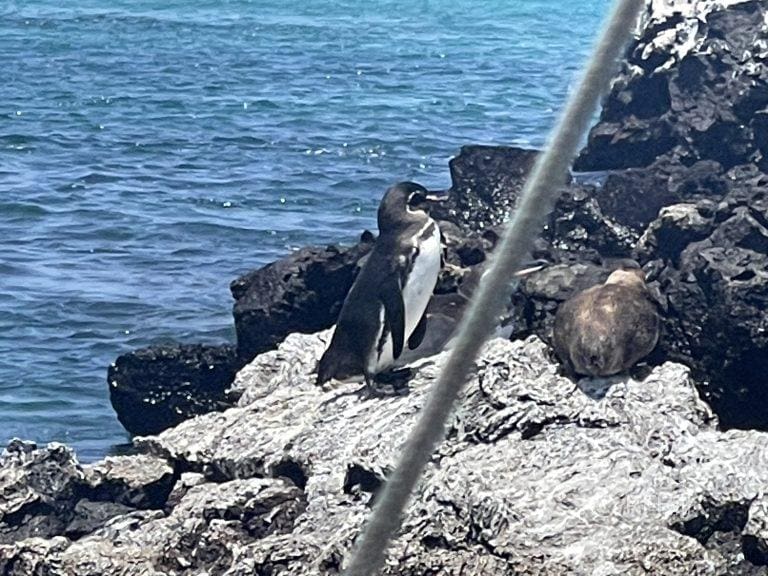
Take one of the many snorkelling tours available. They may seem expensive, but they are worth every penny. We took two; the first included all the photos and videos our guide took with his GoPro camera. The second included penguins swimming around us.
Now, some words to the wise
Bring American cash, and plenty of it, especially small bills. The U.S. dollar is the official currency, and while some places accept cards, you’ll quickly discover that cash is king, especially for park fees, water taxis, tips, and those little charges that seem to pop up everywhere. ATMS are few and far between, and not always reliable. Save yourself the stress and arrive with more cash than you need. It’s not glamorous, but it’s practical—and in the Galápagos, practicality is its luxury.
Getting There
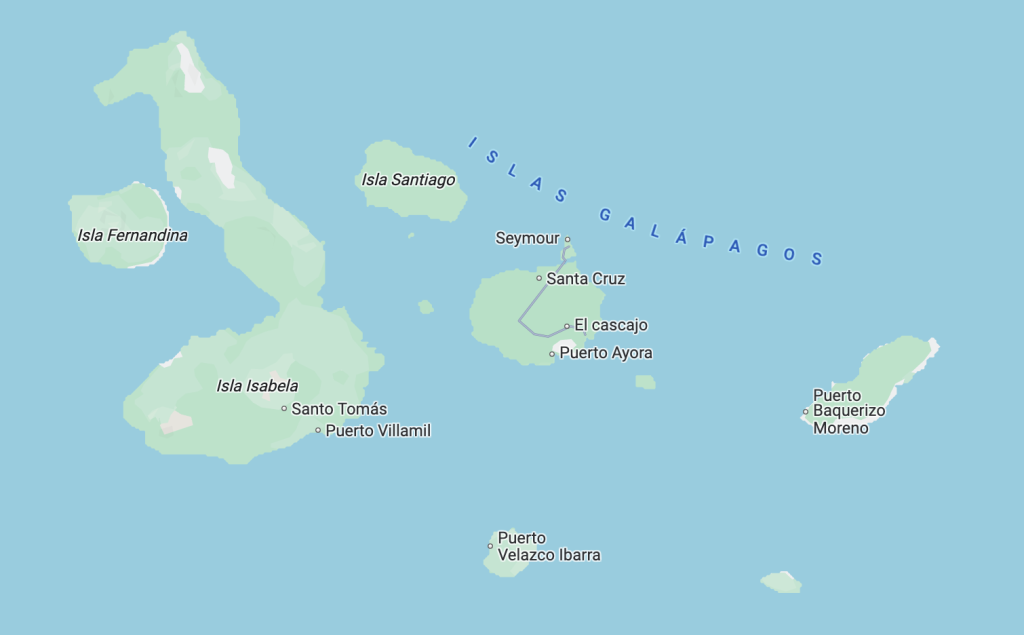
Getting to the Galápagos is like entering a secret garden. You can’t just stroll in. There’s a process, a few hoops to jump through, and a sense of anticipation that builds with every step. Most travellers, ourselves included, start with a flight to mainland Ecuador—either Quito or Guayaquil. From there, you catch a domestic flight to one of the two main airports in the islands: Baltra or San Cristóbal. Both are gateways, but each offers a slightly different introduction to the archipelago.
Flying into Baltra is the most common route, especially if you’re joining a cruise. The airport is a marvel of eco-friendly design, with all open-air walkways and solar panels. Still, the real adventure begins when you board a bus, then a ferry, and finally a taxi or shuttle to Puerto Ayora on Santa Cruz Island. It’s a bit of a relay, but there’s something satisfying about watching the landscape shift from arid scrub to lush highlands as you go to the coast.
San Cristóbal, on the other hand, is a more direct entry if you plan to stay on land. The airport is right on the edge of town, so you can check into your guesthouse or dip your toes in the sea within minutes of landing. I found San Cristóbal a little sleepier and less polished, but with a charm all its own—think sea lions napping on park benches and fishermen hauling in the day’s catch as frigatebirds wheel overhead.
As for how to explore the islands, you’ve got two main options: land-based or cruise. Each has its rhythm and rewards. Cruises are the classic choice, whisking you from island to island while you sleep, with naturalist guides leading you to remote corners you’d never reach alone. The upside is efficiency—you’ll see more in less time, and the logistics are handled for you. The downside? Less flexibility, a set itinerary, and the sometimes dizzying price tag. If you’re prone to seasickness, as I am, you’ll want to pack your remedies and hope for calm seas.
On the other hand, land-based trips let you settle in and soak up the local flavour. You can base yourself in Puerto Ayora, Puerto Baquerizo Moreno, or even the quieter Isabela Island, and take day trips to nearby sites. It’s a bit more work—booking tours, catching ferries, navigating the sometimes unpredictable schedules—but there’s a freedom in wandering the waterfront at sunset, lingering over a coffee, or stumbling upon a sleepy plaza filled with lava lizards. You’ll see fewer islands, but you might connect more deeply with the ones you visit.
Our Choices
We flew from Guayaquil to Baltra, the kind of flight where anticipation hums beneath the surface, and you find yourself peering out the window for that first glimpse of volcanic islands rising from the Pacific. Baltra’s airport, with its breezy, open-air walkways and sun-bleached concrete, felt like a fitting threshold—functional, a little chaotic, and unmistakably different from anywhere else I’d landed.
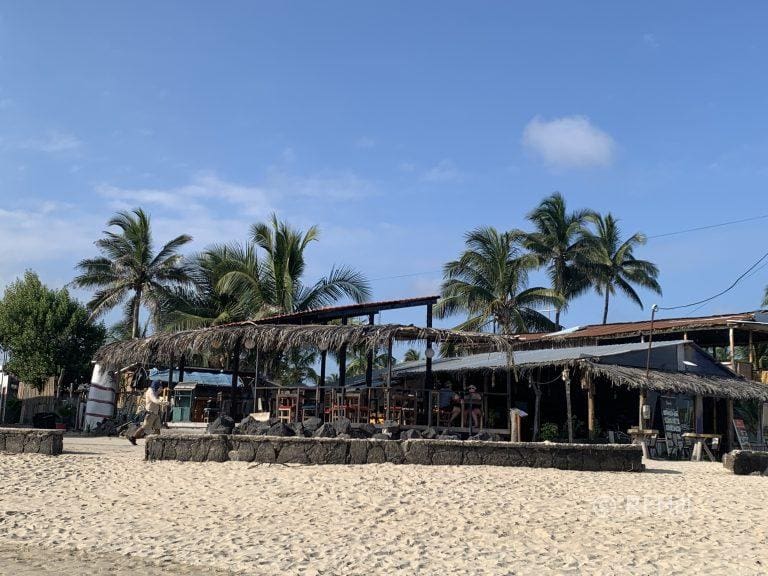
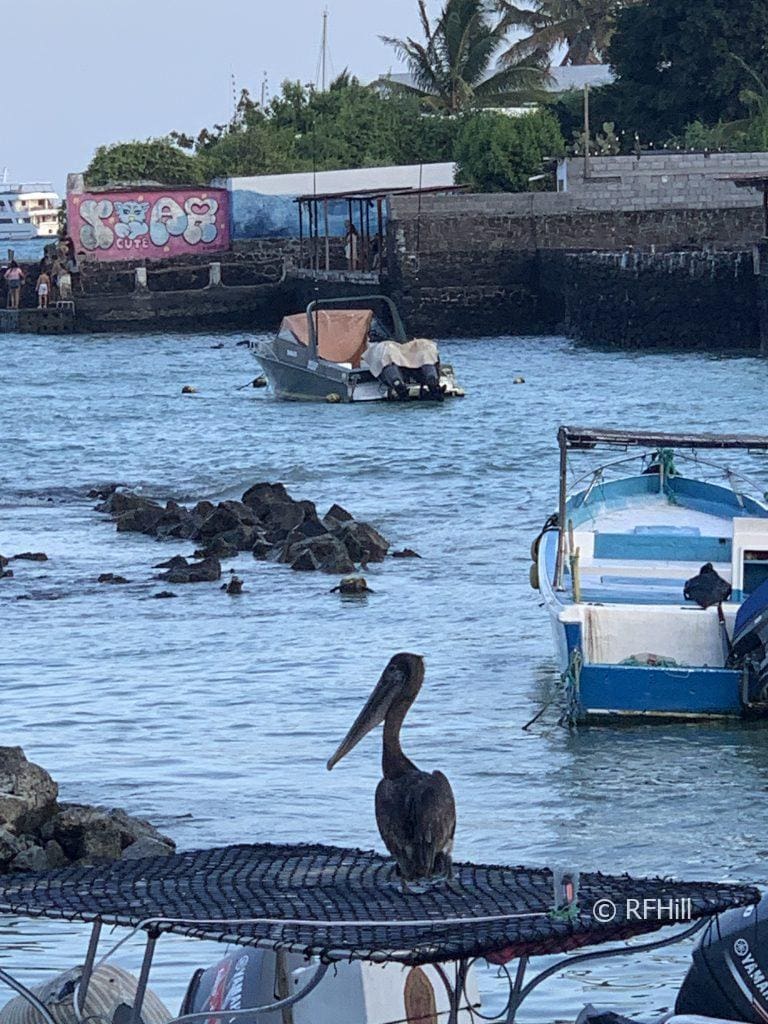
From there, our journey was a patchwork of buses, ferries, and taxis, each leg peeling back another layer of the Galápagos. We chose a land-based trip, settling into Puerto Ayora on Santa Cruz Island. There’s a particular pleasure in unpacking our bag and knowing we'll sleep in the same bed for a few nights, wandering the waterfront in the evenings, and watching the local life unfold—sea lions sprawled on benches, pelicans eyeing the fish market, and the slow, steady rhythm of island time.
The Speedboats
But the real adventure began when we planned to visit Isla de Isabela. We packed our overnight bags for a two-night stay and headed off to the harbour. The only way to get there, unless you’re on a cruise, is by speedboat—a word that, in my experience, is both a promise and a warning. If you’re prone to seasickness, pack your remedies and maybe a little extra patience.
The crossing takes about two hours, and I’ll be honest: it’s not for the faint of stomach. The boat pitched and rolled, the horizon tilting in ways that made me question my life choices. Louise clung to the bench, eyes fixed on the far-off outline of Isabela, and tried to focus on the promise of new landscapes and wildlife, but it didn't help much. We had our snorkelling rescheduled to later the same day, and Louise couldn't do another boat ride, so she skipped it.
Isabela itself was worth every queasy minute. Two days there felt like stepping into a quieter, wilder world—endless beaches, sleepy iguanas, and a sense of space that’s hard to find elsewhere. We biked to the Wall of Tears, snorkelled with turtles, and watched flamingos pick their way through brackish lagoons. The pace was slow, the air tinged with salt and possibility.
Hindsight
Looking back, though, I’ll admit: I'd seriously consider a cruise if I had to do it over. The speedboats were awful—loud, bumpy, and relentless. Cruises, for all their structure and price, offer a kind of ease that’s hard to replicate on your own. You wake up each morning on a new island, the logistics handled, the wildlife waiting. There’s less time spent wrangling tickets and more time spent in the water, on a trail, or simply watching the world go by from the deck.
We met a couple who were flying from island to island, but that was beyond our budget, as was a cruise.
Ultimately, how you get to and around the islands shapes your experience. However you arrive, come ready to be surprised, and maybe, just maybe, pack a little ginger for the ride.